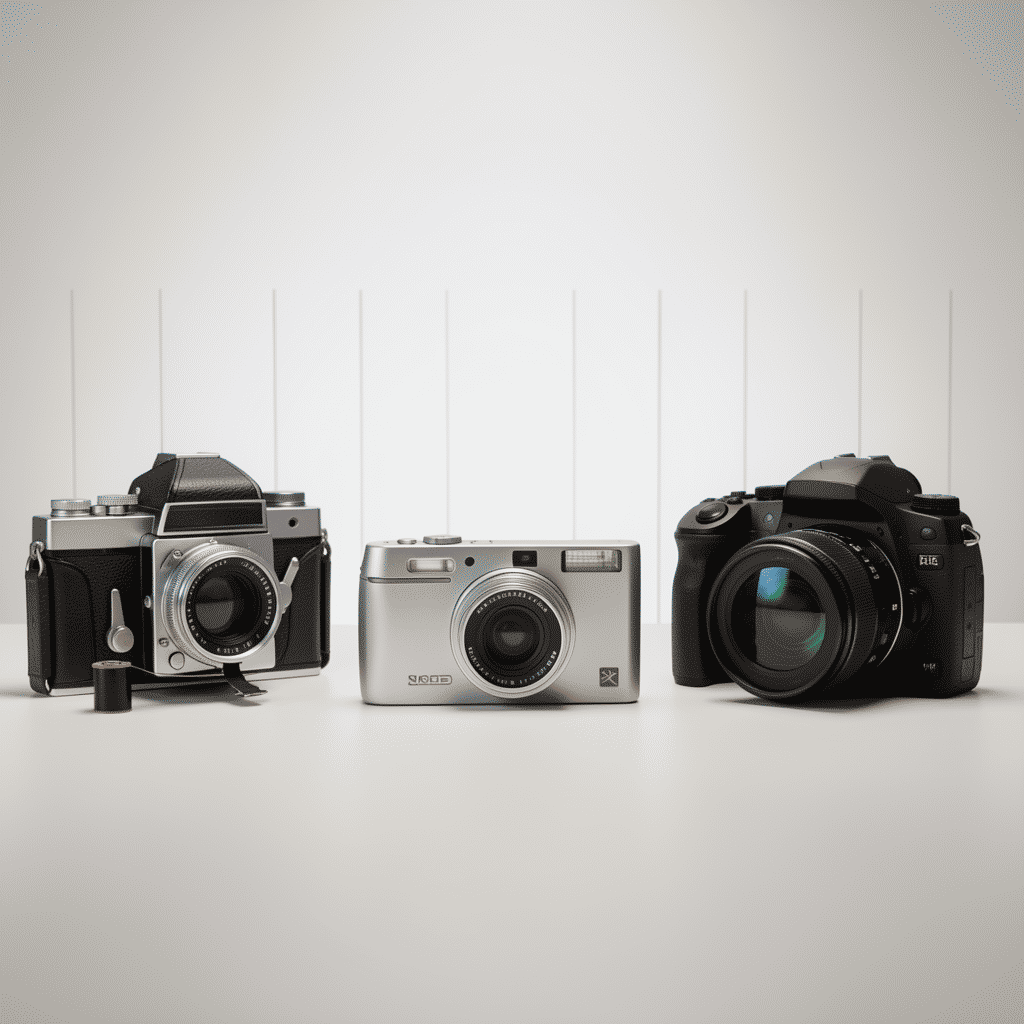
The story of photography is a fascinating journey through time, highlighting the profound transformation of the medium from its early days to the digital age. Initially, capturing images was a complex and laborious process involving chemistry and mechanics. Over time, technological advancements simplified and democratized the art form, making it accessible to a broader range of people. This evolution has significantly impacted how we document and interpret the world.
In the early 19th century, photography began with the invention of the camera obscura and further advanced with experiments in light-sensitive materials. The introduction of film allowed for the creation of negatives, which could be developed and printed multiple times. This development paved the way for photography to become a vital tool for both artistic expression and documentation. Black-and-white images captured during this period often held historical significance and helped shape cultural narratives.
The transition from film to digital marked a significant milestone in the history of photography. The invention of digital sensors allowed for images to be captured electronically, eliminating the need for chemical development. This shift enabled photographers to instantaneously view and edit their work, fostering a new era of creativity and experimentation. As digital cameras became more affordable, photography was no longer confined to professionals; it became a popular form of expression and communication for people at all skill levels.
Digital photography brought about significant changes not only in the way images are captured but also in how they are shared. The rise of social media platforms transformed the way people interact with and disseminate visual content. Photographs are now easily shared, enabling individuals to tell their stories to a global audience and creating an environment where visual storytelling is an integral part of everyday communication.
The impact of moving from film to digital is also evident in the field of photo editing. Once a time-consuming and intricate task requiring darkroom skills, editing is now widely accessible through various software programs. This enables photographers to enhance their images, seamlessly blending technical expertise with artistic vision. The manipulation of images, once limited to the domain of professional studios, has now expanded into an accessible creative tool for hobbyists and professionals alike.
As we continue to navigate a world saturated with imagery, the role of photography constantly evolves. What began as a means of documenting reality now challenges our perceptions and offers new ways to see and understand the world. This transformation from film to digital has not only changed the technical aspects of photography but also expanded its potential to communicate, connect, and inspire across cultures and generations.